Python for robotics: sensors, control and motion
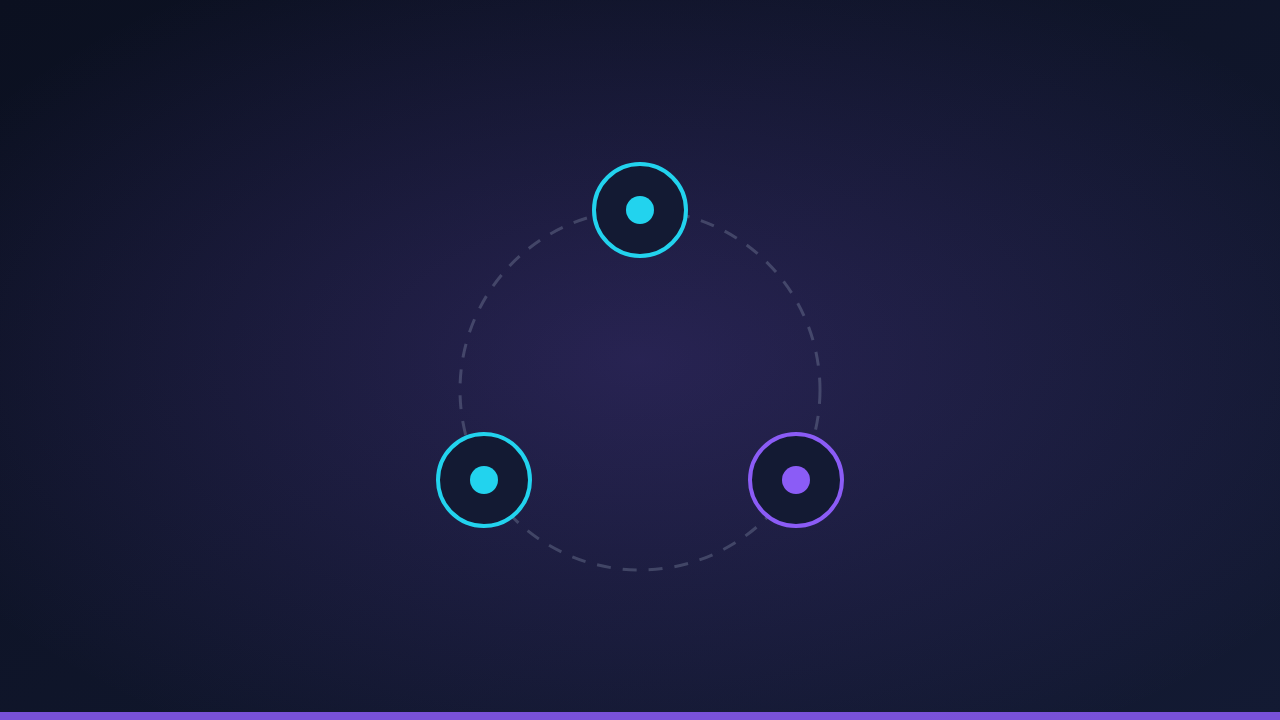
Robotics taught me something I apply in every project: a system is only as good as its perception, decision and action loop. And Python is ideal for prototyping it fast.
Perception: read sensors (distance, IMU, camera) and clean the signal. Noise is the enemy; a simple filter (moving average or a complementary filter) is often the difference between an erratic robot and a stable one.
Decision: the control logic. For many cases a well-tuned PID controller beats more complex solutions. Python lets you iterate the constants in minutes and see the effect.
Action: translate the decision into actuator signals (motors, servos). Timing matters here: a control loop that does not respect its frequency produces unpredictable behavior.
Before touching hardware, I simulate. Testing the logic in a simulated environment avoids burning motors and speeds up learning. When the simulation behaves, the jump to the real robot is much safer.
That mindset (measure, decide with data, iterate fast) is the same one I apply to product optimization. Robotics just makes it tangible.
Comments
No comments yet. Be the first.